Choose the Right Research Approach
Understand when to use qualitative research, quantitative research or a combination of both, based on the research problem and objectives.


The International Institute of Quality Accreditation & Rankings (IIQA) presents a practical and research-oriented workshop on Qualitative and Quantitative Research: Choosing the Right Approach, designed to help researchers, faculty members, students and professionals understand different research approaches and make informed methodological choices.
The workshop focuses on qualitative and quantitative research, research questions, research design, data collection methods, sampling approaches, measurement, data analysis, validity, reliability, interpretation and research reporting.
Participants will learn how to select an appropriate approach based on the research problem, objectives, questions, type of data and expected outcomes.
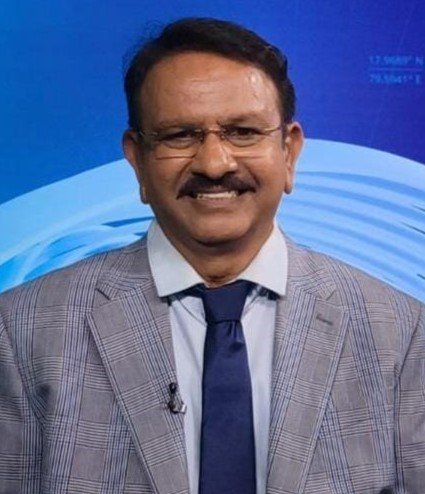
CEO, International Institute of Quality Accreditation & Rankings (IIQA)
The workshop provides practical perspectives on research planning, research methodology, qualitative and quantitative approaches, data collection, analysis and evidence-based interpretation.
Areas of Expertise: Research Methodology · Data & Performance Analysis · Institutional Research · Accreditation · Academic Research · Quality Assurance · Institutional Excellence
Understand when to use qualitative research, quantitative research or a combination of both, based on the research problem and objectives.
Connect the research problem, questions and objectives with research design, sampling, data collection and analysis.
Strengthen validity, reliability, research ethics, interpretation, proposal development and research reporting.
RESEARCH PROBLEM → RESEARCH QUESTION → APPROACH → DESIGN → DATA → ANALYSIS → FINDINGS
Research methodology should match the research problem, questions, objectives and type of evidence required.
Research problems, objectives, questions, hypotheses, literature review, conceptual framework, variables and methodology selection.
Exploratory research, qualitative questions, case studies, phenomenology, ethnography, grounded theory and narrative research.
Interviews, focus groups, observation, document analysis, open-ended questionnaires, field notes, participant selection and saturation.
Data preparation, coding, categorisation, themes, narrative analysis, patterns, interpretation and presentation of evidence.
Descriptive, correlational, experimental, quasi-experimental and survey research, variables, measurement and hypotheses.
Questionnaires, surveys, scales, primary and secondary data, probability and non-probability sampling, sample size and data quality.
Descriptive statistics, central tendency, dispersion, cross-tabulation, correlation, regression and hypothesis testing.
Sequential and concurrent designs, integration, triangulation, combining datasets and interpreting integrated findings.
Matching methodology, questions, evidence, data collection and design while avoiding methodology mismatch.
Validity, reliability, credibility, dependability, confirmability, transferability, instrument quality and bias.
Consent, confidentiality, privacy, participant protection, data management, integrity and ethical reporting.
Proposal structure, background, problem statement, objectives, methodology, analysis plan, findings, discussion and presentation.
Designed for: Universities · IITs · NITs · IIITs · Autonomous Institutions · Engineering Colleges · Medical Institutions · Management Institutions · Research Organisations · Higher Education Institutions
Workshop Focus: Research Methodology · Qualitative Research · Quantitative Research · Mixed Methods · Sampling · Data Collection · Data Analysis · Research Design · Research Ethics · Research Reporting
All registered participants will receive an IIQA E-Certificate of Participation upon successful completion of the workshop.
The certificate will recognise participation in Qualitative and Quantitative Research: Choosing the Right Approach.
Qualitative and Quantitative Research Workshop
Strengthen THE preparedness · Improve institutional performance · Pursue ranking excellence
Dr. Toodi Ravinder Reddy , CEO ., IIQA.
CEO, International Institute of Quality Accreditation & Rankings (IIQA)
L.L.B. (O.U.) | L.L.M. – Constitutional Law (O.U.) | Ph.D. (K.U.) | Alumnus – IIM Ahmedabad | President of India Medal Awardee
Accreditation & Ranking Expert
OFFICES (OFFLINE/ONLINE):
Hyderabad, Vishakapatnam, Guntur, Chennai, Coimbotore, Bangalore, Mumbai, Bhopal , Chandigarh, New Delhi, California, New York, and Boston
Contact Details: toodi.ravi@gmail.com,
+91 99590 26392